.png)

What Does Your Hotel Sound Like?
- Kennedy
- Sep 15, 2025
- 3 min read

As a guest walks into a lobby after a long journey. The first thing they notice isn’t the front desk — it’s the feeling of the space. The lighting, the scent, the décor, artwork… and the sound.
Now imagine that moment in silence. The hum of the air conditioning. Footsteps echoing across the floor. A few voices bouncing off the walls. The chaos from the street still lingering in their ears. Silence doesn’t feel luxurious — it feels unfinished.
You don't get a second chance to make a first impression.
That’s why nearly 8 out of 10 hotels already play music in their lobbies, restaurants and spaces. Hoteliers understand that sound shapes the guest’s arrival experience, their very first impression. But the real question is: is it the right music?
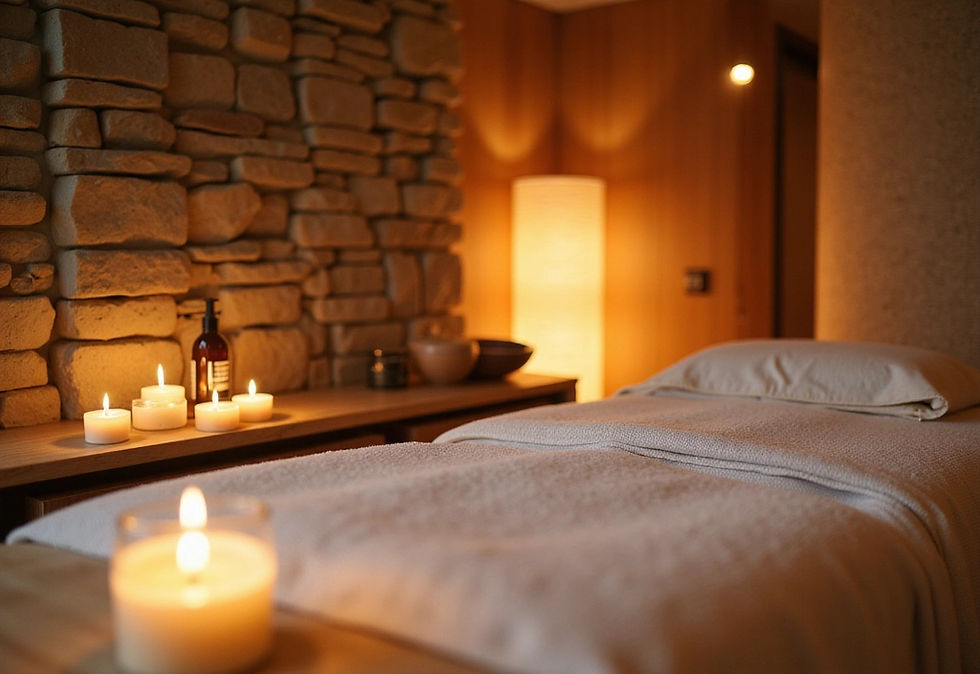
From the lobby to the restaurants to the evening bar, music carries guests through their stay. When it’s chosen well, the entire experience feels intentional. When it’s wrong — or missing — it can undo everything else you’ve invested in design, service, and ambiance. Guests relaxing in a spa expect serenity. Research shows that slower, softer music reduces anxiety and enhances emotional state, turning a treatment into a deeper, more memorable escape. At the bar, tempo and genre influence behavior: softer tracks encourage guests to linger over another round or desert, while upbeat tempos can keep energy and excitement higher during peak hours.

The same principle applies everywhere. One study of hotel environments found that when the atmosphere feels aligned — when lighting, décor, and sound work together — guest satisfaction and perceived value rise dramatically. In fact, the perception of atmosphere had one of the strongest effects on how guests judged their overall stay. Music isn’t background noise. It’s a psychological driver, shaping how long guests stay, how much they spend, and how warmly they remember your brand.
But here’s the reality: many hotels struggle to get this right. When we speak with operators, the same frustrations come up again and again:
“Music feels off.” The vibe doesn't reflect the brand identity.
“It’s inconsistent.
“Wrong music at the wrong time.”
“Repetitive.” Same music in the same order everyday
“We’re not sure about licensing.”
“Generic playlists.” Not bespoke, no wow-factor
Every one of these issues chips away at guest satisfaction, brand reputation, and even revenue.
Many providers claim to offer custom solutions, but in reality, they recycle the same playlists across multiple brands.
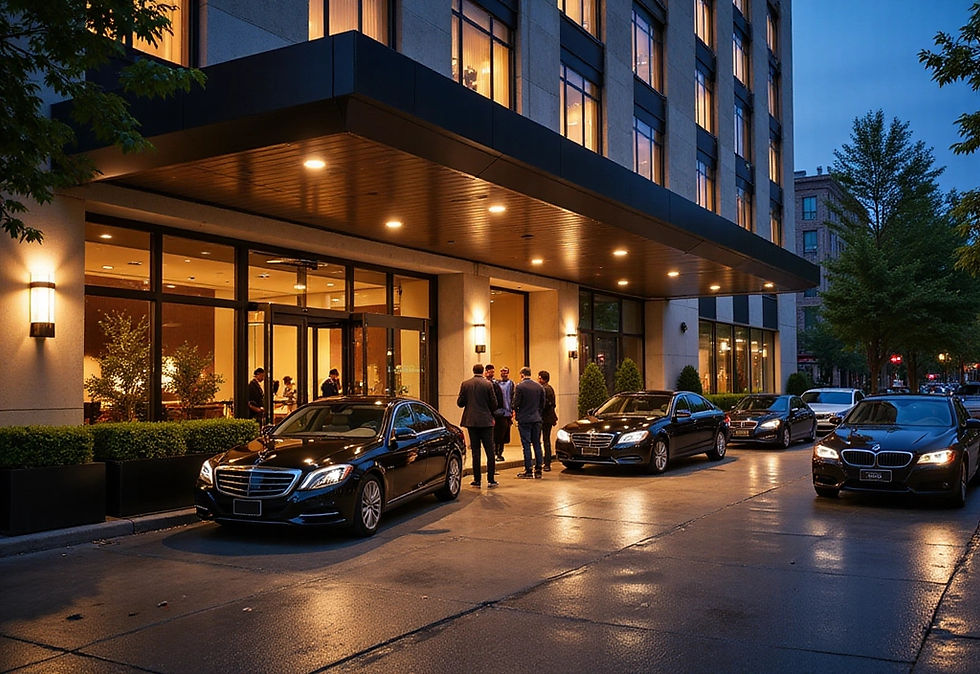
The good news is that none of this is unsolvable. With the right approach, music can shift from being an afterthought to one of your hotel’s strongest assets. It starts with curation that feels intentional: playlists designed to match your brand identity, programmed to flow seamlessly from bright mornings to calm spa evenings to lively rooftop nights. It means music that stays fresh, never repetitive, and always aligned with the experience you want guests to feel.
Just as a hotel might have a signature scent, it can also have a signature sound.
And for hotels that want to take it further, there’s another level: original music written exclusively for your brand. Just as a hotel might have a signature scent, it can also have a signature sound. Tracks no competitor will ever use - music that feels like an extension of your DNA, instantly recognizable and truly yours. Because if your hotel sounds just like the one down the road, how differentiated is your experience, really?
Hotels are judged by all five senses. Most get sight, scent, and service right — but sound is too often overlooked and only given attention when there is feedback from a guest. Done well, music doesn’t sit quietly in the background; it carries guests through their journey, shapes the way they feel, and influences how they remember your brand.
At Sound You Can Feel, our work is simple: to make sure your hotel sounds like your hotel — and no one else’s.
Book a free consultation or demo call today and discover what every space in your hotel should sound like.


Comments